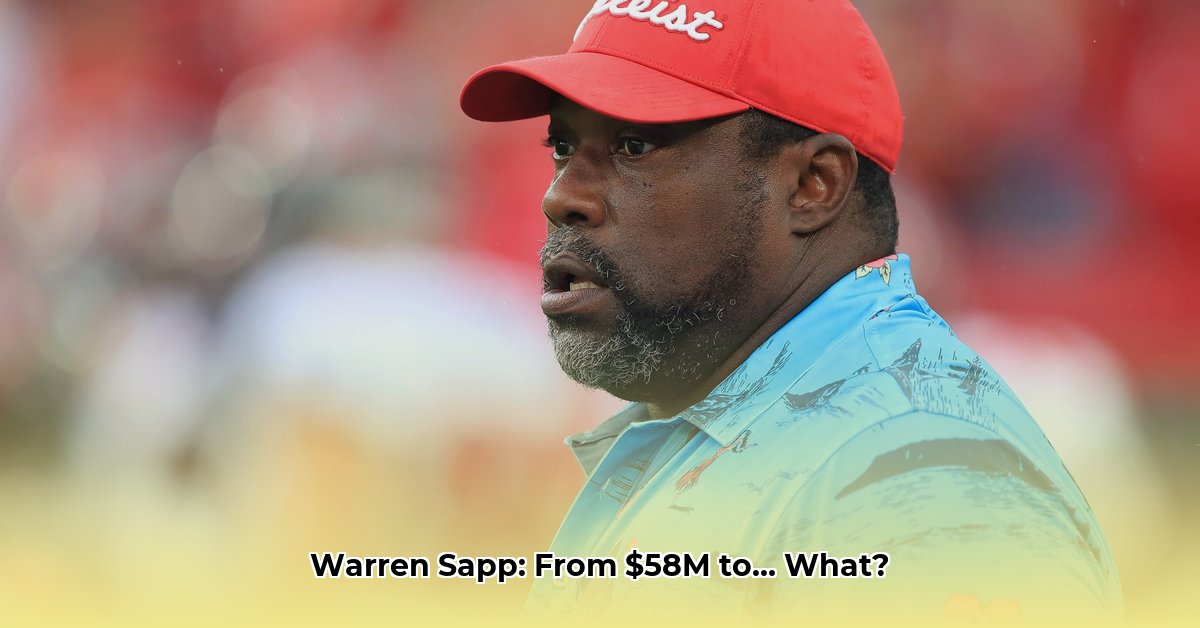
Warren Sapp's Financial Rollercoaster: From Gridiron Glory to Bankruptcy
Warren Sapp, a Hall of Fame defensive tackle for the Tampa Bay Buccaneers, earned an estimated $58 million during his illustrious NFL career. This seemingly insurmountable fortune, however, was ultimately squandered, leading to bankruptcy in 2012. His dramatic financial downfall serves as a cautionary tale, highlighting the critical importance of financial literacy and responsible wealth management, even for high-earners. This isn't just a story about lost wealth; it's a valuable lesson in how easily even massive incomes can be eroded by poor financial planning. For more on managing wealth, see financial success stories.
The Downward Spiral: Spending, Taxes, and Legal Battles
Sapp's financial decline wasn't a sudden crash; it was a gradual erosion fueled by a confluence of factors. His extravagant lifestyle, marked by multiple luxury homes and a fleet of expensive vehicles, quickly depleted a significant portion of his earnings. This lavish spending, coupled with a lack of rigorous financial planning, created a precarious financial foundation.
Compounding the problem were substantial tax issues. Unpaid taxes, a common pitfall for high-income individuals struggling with complex tax laws, accumulated over time, further exacerbating his financial woes. These unpaid taxes, acting as a snowball effect, significantly increased his debt burden.
Adding to the pressure were considerable legal battles, incurring hefty court costs and settlements. These legal expenses, a common consequence of high-profile lifestyles, eroded what remained of his fortune, pushing him further into debt. The combination of extravagant spending, tax liabilities, and legal fees resulted in an estimated $6.7 million in debt, exceeding his available assets. This ultimately led to the filing for bankruptcy.
The Bankruptcy Filing and its Aftermath
The 2012 bankruptcy filing marked a stark turning point, a public admission of a financial crisis that impacted not only his personal life but also his public image. While the bankruptcy proceedings restructured his debts, it served as a potent reminder that financial security isn't guaranteed, even with substantial wealth. It also underlines the sustained effort needed to manage finances effectively throughout one's life. This is a lesson applicable to all, not just those in the public eye.
Key Lessons and Actionable Insights
Sapp's experience offers invaluable lessons regarding financial management, particularly for high-earning individuals. Three crucial takeaways stand out:
Financial Literacy is Paramount: High income does not equate to financial security. A strong understanding of personal finance, budgeting, investing, and tax laws is crucial for long-term financial stability.
Proactive Planning is Essential: A well-defined budget, regular monitoring income and expenses, and a dedicated financial plan are vital for avoiding financial distress. Sound financial planning shouldn't be an afterthought but a core building block of financial well-being.
Expert Guidance is Invaluable: Seeking professional financial advice from qualified advisors can provide personalized strategies, mitigating risks and securing financial success. This isn't about weakness; it's about leveraging expertise to achieve financial peace of mind.
Taking control of your finances involves several actionable steps, mirroring the key lessons learnt from Sapp's experience:
Create a Detailed Budget: Track income and expenditures meticulously to establish a clear picture of your spending patterns. This provides a foundation for informed financial decisions.
Establish an Emergency Fund: Building a financial safety net of 3-6 months of living expenses can safeguard against unexpected setbacks, preventing debt build-up.
Seek Professional Financial Guidance: Consulting a financial advisor provides personalized advice tailored to your circumstances, assisting with investment, budgeting, and tax strategies.
Risk Assessment and Mitigation Strategies
Understanding and mitigating financial risks is crucial. Here’s a simplified look at the key risks in Sapp's situation and how they could have been mitigated:
| Risk Factor | Likelihood | Impact | Mitigation Strategies |
|---|---|---|---|
| Excessive Spending | High | Very High | Strict budgeting, financial coaching, lifestyle adjustments |
| Unpaid Taxes | High | High | Proactive tax planning, professional tax advice |
| Legal Issues | Moderate | High | Proactive legal counsel, responsible behavior |
| Lack of Financial Literacy | High | Very High | Financial education, ongoing mentorship |
| Post-Career Income Instability | Moderate | High | Diversified investment portfolio, business ventures |
Warren Sapp's story serves as a sobering reminder that financial success requires careful planning, responsible spending, and a proactive approach to managing wealth. His experience provides invaluable lessons for everyone, emphasizing the vital role of financial literacy and the importance of seeking professional guidance to avoid a similar fate. The story isn't just about a fallen star; it's a roadmap to avoiding financial ruin.